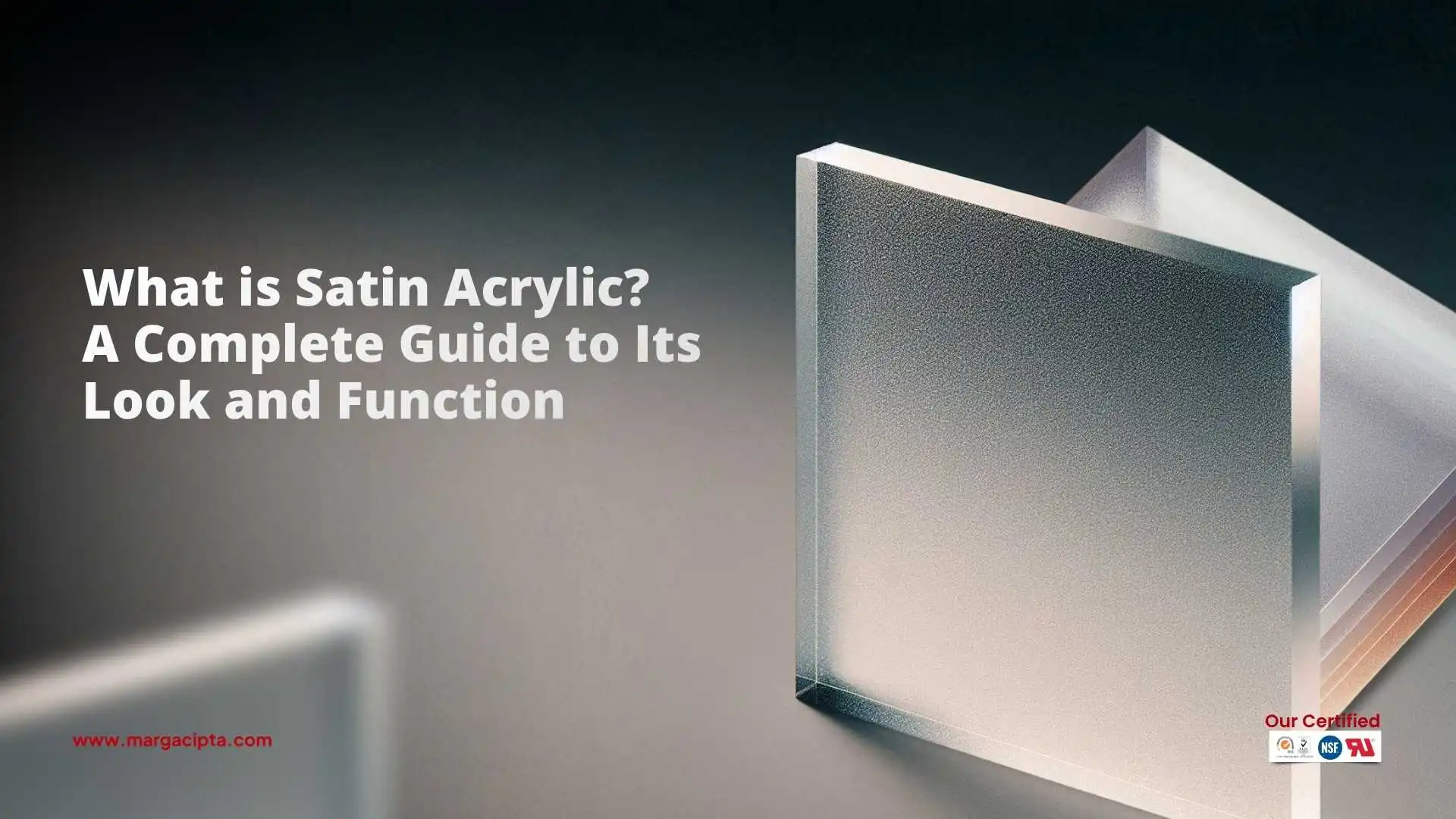
What is Satin Acrylic? A Complete Guide to Its Look and Function

Informational

Satin acrylic is a type of acrylic sheet with a smooth matte surface that reduces glare while maintaining a clean and premium appearance.

It is commonly used for signage, interior design, displays, and decorative applications where a softer visual finish is preferred over high gloss.

Compared to standard glossy acrylic, satin acrylic provides a more subtle and elegant look while still offering the durability and fabrication flexibility of acrylic material.

What Makes Satin Acrylic Different?

The main difference between satin acrylic and regular acrylic lies in the surface finish.

Standard acrylic sheets usually have a glossy, reflective appearance. Satin acrylic, on the other hand, features a matte or low-sheen surface that diffuses light more evenly.

This creates:

  • Reduced reflections
  • Softer visual appearance
  • Better fingerprint resistance
  • More modern aesthetic

Because of these characteristics, satin acrylic is often selected for projects that require a premium and minimalistic look.

Read also: Best Acrylic Thickness for Ornaments: Size Guide for Perfect Results

Key Features of Satin Acrylic

Satin acrylic combines aesthetics with practical functionality.

Some of its main advantages include:

1. Reduced Glare

The matte surface helps minimize light reflection, making it suitable for brightly lit spaces.

2. Elegant Appearance

Its smooth satin finish creates a sophisticated and modern visual effect.

3. Better Fingerprint Resistance

Compared to glossy acrylic, fingerprints and smudges are less visible on satin surfaces.

4. Lightweight and Durable

Like other acrylic sheets, satin acrylic remains lightweight while offering good impact resistance.

Common Applications of Satin Acrylic

Satin acrylic is widely used across commercial and decorative industries.

Popular applications include:

  • Interior signage
  • Office branding panels
  • Decorative wall elements
  • Retail displays
  • Furniture accents
  • Partitions and privacy panels

Its clean appearance makes it especially popular for modern architectural and interior concepts.

Satin Acrylic vs Glossy Acrylic

Both materials offer unique advantages depending on the intended use.

Satin Acrylic

  • Matte appearance
  • Softer reflections
  • Premium minimal look
  • Better for modern interiors

Glossy Acrylic

  • Highly reflective finish
  • Stronger color vibrancy
  • More transparent appearance
  • Suitable for bold visual displays

The choice depends on whether the project prioritizes subtle elegance or vibrant visual impact.

Fabrication Compatibility

Satin acrylic sheets are compatible with various fabrication methods such as:

  • Laser cutting
  • CNC cutting
  • UV printing
  • Engraving

High-quality satin acrylic helps ensure:

  • Clean cutting results
  • Consistent surface texture
  • Better finishing quality

Proper handling during fabrication is important to preserve the matte surface appearance.

Read also: Best Acrylic Thickness for Plaque: Complete Guide for Durable Results

Why Material Quality Matters

Not all satin acrylic sheets deliver the same finish and consistency.

Premium-quality acrylic offers:

  • Uniform satin texture
  • Consistent thickness
  • Better durability during processing

For businesses and manufacturers, using high-quality materials helps improve production efficiency and final product appearance.

Marga Cipta supplies high-quality acrylic sheets in various finishes, including satin acrylic for fabrication and decorative applications.

Conclusion

Satin acrylic is an excellent material choice for projects that require a modern, elegant, and low-glare appearance.

With its matte finish, durability, and fabrication flexibility, satin acrylic is widely used for signage, interiors, and decorative applications. Choosing high-quality acrylic sheets helps ensure more professional and visually consistent results.

Ready to explore our cast acrylic options? At Margacipta Wirasentosa, we offer high-quality clear cast acrylic sheets from 100% virgin MMA in various thicknesses and custom sizes to fit your needs.

Reach out to our Instagram or download our Product Catalog for more information.

News Release

Is Acrylic Waterproof? Understanding Its Water Resistance

Yes, acrylic is waterproof. Acrylic sheets do not absorb water and can maintain their structural integrity even when exposed to moisture, rain, or humid environments.

This water resistance is one of the reasons acrylic is widely used in applications ranging from signage and displays to aquariums and protective barriers.

However, understanding what "waterproof" means in the context of acrylic can help ensure the material is used appropriately.

What Does Waterproof Mean for Acrylic?

When people ask whether acrylic is waterproof, they typically want to know whether water can damage the material.

Acrylic's non-porous surface prevents water from penetrating the material, which means it does not:

  • Swell
  • Rot
  • Rust
  • Absorb moisture

This makes acrylic a reliable material for environments where water exposure is common.

Read also: Why Does Acrylic Become Brittle? Common Mistakes You Should Avoid

How Does Acrylic Perform in Wet Conditions?

Acrylic performs exceptionally well when exposed to water.

Unlike wood or certain composite materials, acrylic remains stable even after repeated contact with moisture.

It can be used in environments such as:

  • Outdoor installations
  • Bathrooms
  • Aquariums
  • Decorative water features
  • Protective covers

Its resistance to moisture helps preserve both appearance and functionality.

Is Acrylic Suitable for Outdoor Rain Exposure?

Yes. Acrylic is commonly used outdoors because it can withstand rain and humidity without deterioration.

When paired with its natural UV resistance, acrylic becomes an excellent option for:

  • Outdoor signage
  • Display panels
  • Architectural features
  • Protective barriers

High-quality acrylic sheets can maintain their clarity and performance for years in outdoor environments.

Acrylic vs Other Materials in Wet Environments

Compared to many traditional materials, acrylic offers several advantages.

Acrylic vs Wood

Wood can absorb water, expand, and deteriorate over time. Acrylic remains unaffected by moisture.

Acrylic vs Metal

Certain metals can rust when exposed to water. Acrylic does not corrode.

Acrylic vs Glass

Both materials resist water, but acrylic offers the added benefits of lighter weight and greater impact resistance.

Applications That Benefit from Acrylic's Water Resistance

Many industries rely on acrylic because of its ability to perform in wet environments.

Common examples include:

  • Aquariums
  • Splash guards
  • Outdoor signage
  • Retail displays
  • Interior partitions
  • Decorative installations

Its combination of water resistance and visual clarity makes it a versatile material for both functional and decorative uses.

Read also: What is Satin Acrylic? A Complete Guide to Its Look and Function

Does Water Affect Acrylic Over Time?

Water itself generally does not damage acrylic.

However, performance can be affected if acrylic is exposed to:

  • Harsh cleaning chemicals
  • Improper installation
  • Extreme mechanical stress

Using proper maintenance techniques helps preserve the material's appearance and durability.

Why Material Quality Matters

The quality of the acrylic sheet plays a significant role in long-term performance.

Premium acrylic typically offers:

  • Better clarity
  • More consistent thickness
  • Improved weather resistance
  • Enhanced durability

Marga Cipta supplies high-quality acrylic sheets suitable for applications that require durability, transparency, and reliable water resistance.

Conclusion

Is acrylic waterproof? Yes, acrylic is highly water-resistant and does not absorb moisture.

Its waterproof characteristics, combined with excellent clarity and durability, make it a preferred material for both indoor and outdoor applications.

By choosing high-quality acrylic sheets, businesses and fabricators can maximize performance in wet and humid environments.

Ready to explore our cast acrylic options? At Margacipta Wirasentosa, we offer high-quality clear cast acrylic sheets from 100% virgin MMA in various thicknesses and custom sizes to fit your needs.

Reach out to our Instagram or download our Product Catalog for more information.

Clear Acrylic Sheet vs Glass: Pros, Cons & Key Differences

Clear acrylic sheet and glass may look similar, but they have significant differences in strength, weight, safety, and flexibility.

In general, clear acrylic sheet is lighter, more impact-resistant, and easier to fabricate, while glass is more scratch-resistant and traditionally used for windows.

Because of these advantages, acrylic sheets are widely used for signage, display cases, partitions, and architectural panels.


Key Differences Between Acrylic Sheet and Glass

Feature

Clear Acrylic Sheet

Glass

Weight

About 50% lighter

Heavier

Impact resistance

Up to 10–17× stronger

Can shatter easily

Transparency

Up to 92% light transmission

Around 90%

Fabrication

Easy to cut, bend, and shape

Difficult to modify

Safety

Shatter-resistant

Breaks into sharp pieces

Scratch resistance

Lower than glass

Higher

These properties make acrylic a popular alternative for many modern applications.

Read also: Cost Breakdown: How Acrylic Can Help You Save Budget in Long-Term Projects

Pros of Clear Acrylic Sheet

Clear acrylic sheets offer several advantages compared to glass.

1. Much More Impact Resistant

Acrylic is significantly stronger against impact, making it safer for environments where breakage is a concern.

2. Lightweight

Acrylic weighs roughly half as much as glass, making installation easier and reducing structural load.

3. Easy to Fabricate

Acrylic can be:

  • Laser cut
  • CNC machined
  • Heat bent
  • Thermoformed

This flexibility makes it ideal for custom designs.

4. Excellent Optical Clarity

High-quality acrylic can achieve up to 92% light transmission, making it one of the clearest plastic materials available.

Cons of Clear Acrylic Sheet

Despite its advantages, acrylic also has limitations.

1. More Prone to Scratches

Compared to glass, acrylic surfaces can scratch more easily.

2. Higher Thermal Expansion

Acrylic expands more when exposed to temperature changes.

3. Chemical Sensitivity

Certain solvents can damage acrylic surfaces.

When to Choose Acrylic Instead of Glass

Acrylic sheets are better when you need:

  • Lightweight panels
  • High impact resistance
  • Custom shapes or fabrication
  • Safer materials for public environments

Common applications include:

  • Retail signage
  • LED light boxes
  • Display stands
  • Protective barriers
  • Architectural panels

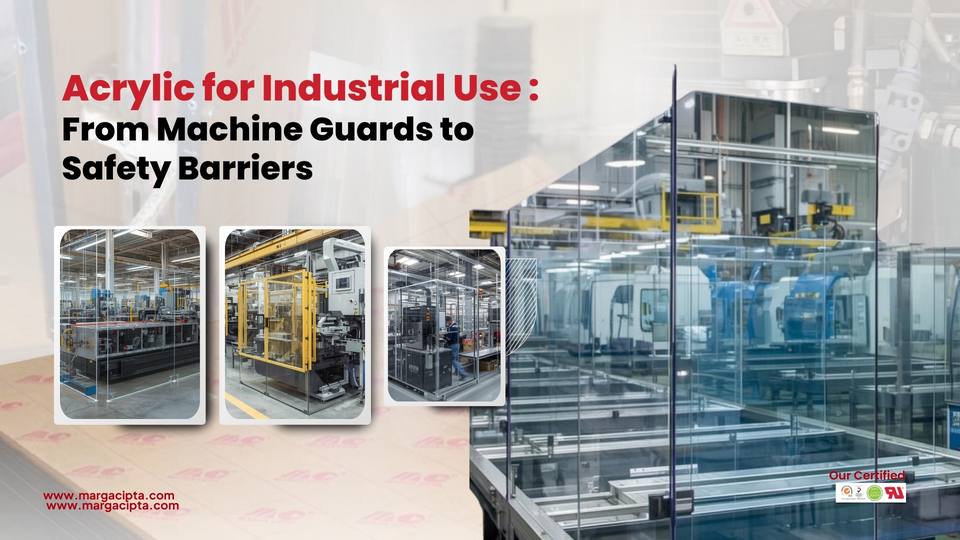
Read also: Acrylic for Industrial Use: From Machine Guards to Safety Barriers

FAQ: Clear Acrylic Sheet vs Glass

Is acrylic stronger than glass?

Yes. Acrylic is significantly more impact resistant than glass and less likely to shatter.

Is acrylic clearer than glass?

High-quality acrylic can transmit slightly more light than glass, making it very clear.

Does acrylic scratch easily?

Yes, acrylic is more prone to scratches compared to glass.

Can acrylic replace glass?

In many applications such as signage, displays, and partitions, acrylic can effectively replace glass.

Looking for High-Quality Clear Acrylic Sheets?

If you need a material that is lighter, safer, and easier to fabricate than glass, clear acrylic sheets are a reliable alternative for many applications such as signage, displays, partitions, and architectural panels.

PT. Margacipta Wirasentosa supplies high-quality acrylic sheets with excellent optical clarity and consistent thickness, suitable for both commercial and industrial use.

  • High transparency
  • Durable and impact resistant
  • Easy to cut, shape, and fabricate
  • Suitable for signage, displays, and protective panels

Contact our team at info@margacipta.com or explore our acrylic sheet products to find the right material for your project.

Acrylic Sheet for Menu Holders: Durable Display Solutions

Acrylic sheet is one of the best materials for menu holders because it offers excellent clarity, durability, and a professional appearance. 

Whether used in restaurants, cafés, hotels, retail stores, or exhibition booths, acrylic menu holders help present information clearly while protecting printed materials from daily wear.

With its lightweight structure and versatile fabrication options, acrylic has become the preferred choice for businesses looking to create modern and long-lasting display solutions.

Why Acrylic Is Ideal for Menu Holders

Menu holders are handled frequently and are often exposed to spills, cleaning, and constant customer interaction. 

Acrylic performs well in these environments thanks to its combination of strength and aesthetics.

Some of its key advantages include:

  • Crystal-clear transparency
  • Lightweight yet durable construction
  • Good impact resistance
  • Easy to clean and maintain
  • Professional appearance

Compared to glass, acrylic provides similar visual clarity while being easier to transport and less likely to break.

Read also: What Acrylic to Use for Cake Topper: A Complete Material Guide

Common Applications

Acrylic menu holders are used across various industries. Typical applications include:

Restaurants and Cafés

Display food menus, beverage lists, promotional offers, or QR code ordering systems.

1. Hotels

Present room service menus, event schedules, and guest information in an elegant format.

2. Retail Stores

Display product information, pricing, promotional materials, or customer notices.

3. Reception Areas

Provide visitors with brochures, announcements, or directional information in a neat and organized manner.

4. Exhibition and Trade Shows

Showcase promotional materials while maintaining a clean and professional presentation.

Benefits of Using Acrylic Sheet

1. Excellent Visibility

Clear acrylic provides high transparency, allowing menus and promotional materials to remain easy to read.

2. Easy Fabrication

Acrylic sheets can be:

  • Laser cut
  • CNC machined
  • Bent through thermoforming
  • UV printed
  • Engraved

This flexibility enables manufacturers to produce menu holders in various styles and sizes.

3. Long Service Life

High-quality acrylic maintains its clarity and appearance even with regular use, making it a cost-effective material for commercial environments.

Popular Types of Menu Holders

Depending on the application, acrylic sheets can be fabricated into different styles, including:

  • Tabletop menu holders
  • L-shaped display stands
  • T-shaped sign holders
  • Wall-mounted menu displays
  • Countertop promotional displays

Each design serves different display needs while maintaining a professional appearance.

Choosing the Right Acrylic Sheet

When selecting acrylic sheets for menu holders, consider:

  • Sheet thickness
  • Display size
  • Indoor or outdoor use
  • Required durability
  • Surface finish

Using the appropriate acrylic specification ensures better performance and a longer product lifespan.

Read also: Best Acrylic Sheet for Cake Topper: Thickness, Finish & Tips

Why High-Quality Acrylic Matters

Not all acrylic sheets offer the same level of clarity and consistency.

Premium acrylic provides:

  • Better transparency
  • Consistent thickness
  • Cleaner fabrication results
  • Improved durability
  • Professional finishing quality

Marga Cipta supplies high-quality acrylic sheets suitable for menu holders, retail displays, signage, and custom fabrication projects.

Conclusion

Acrylic sheet for menu holders offers an ideal combination of durability, clarity, and design flexibility. Its versatility makes it suitable for restaurants, hotels, retail stores, and various commercial environments.

By choosing high-quality acrylic sheets, businesses can create attractive and long-lasting display solutions that enhance customer experience.

Looking for Premium Acrylic Sheets?

Marga Cipta supplies premium acrylic sheets in various thicknesses, colors, and finishes for menu holders, display stands, signage, and custom fabrication.

For inquiries or orders, email info@margacipta.com.

For product information, inspiration, and the latest updates, follow Instagram @margacipta.

Best Acrylic Sheet for Cake Topper: Thickness, Finish & Tips

Acrylic has become one of the most popular materials for creating cake toppers, thanks to its clarity, durability, and versatility.

Whether you are a small business owner, crafter, or manufacturer, choosing the right acrylic sheet for cake topper projects is essential to achieve clean, professional results.

Understanding the right thickness, finish, and material characteristics will help you produce high-quality toppers that stand out.

Why Acrylic Sheet is Ideal for Cake Toppers

Acrylic sheets are lightweight yet strong, making them perfect for decorative applications like cake toppers. Compared to other materials, acrylic offers a smooth surface that is easy to cut, engrave, and print on.

It also provides a premium look with glass-like clarity, which enhances the overall aesthetic of the cake design. For businesses, acrylic ensures consistency in production, especially when using laser cutting or CNC machines.

Read also: Acrylic Application for Accessories: Stylish, Durable, and Versatile

1. Choosing the Right Thickness

Thickness plays a crucial role in determining the durability and appearance of your cake topper.

For most applications, acrylic sheets between 2 mm to 3 mm are considered ideal. A 2 mm sheet works well for smaller, lightweight designs, while 3 mm provides additional rigidity for larger or more intricate toppers.

Using acrylic that is too thin may result in bending or breakage, while overly thick sheets can look bulky and harder to cut with precision.

2. Selecting the Right Finish

Acrylic sheets come in a variety of finishes, each offering a different visual effect.

Clear acrylic is the most commonly used option for cake toppers. It delivers a clean and elegant look, especially for weddings and formal events. 

Colored acrylic sheets, such as black, gold, or pastel tones, are also popular for adding contrast and personality.

For a softer appearance, frosted acrylic can be used to create a matte effect. Meanwhile, glossy finishes are ideal when you want a more vibrant and polished result.

3. Fabrication Tips for Best Results

To achieve the best outcome, proper handling and fabrication techniques are essential.

Laser cutting is highly recommended for creating precise shapes and smooth edges. Make sure to use high-quality acrylic sheets to avoid chipping or uneven cuts.

When designing your topper, consider adding a strong base or stem to ensure stability when placed on the cake. It is also important to remove protective film carefully after cutting to maintain a scratch-free surface.

Read also: Acrylic for Art and Crafts, Endless Creativity Only for You

Choosing Quality Acrylic Sheets

Not all acrylic sheets are created equal. High-quality acrylic offers better clarity, consistent thickness, and improved durability.

For businesses or bulk production, sourcing acrylic sheets from a reliable supplier ensures consistent results across every batch. This is especially important for maintaining product quality and customer satisfaction.

Conclusion

Selecting the best acrylic sheet for cake topper projects comes down to choosing the right thickness, finish, and material quality. With the right combination, acrylic provides a perfect balance of strength, aesthetics, and ease of fabrication.

For anyone looking to produce professional-grade cake toppers, investing in high-quality acrylic sheets is a smart and reliable choice.

Looking for high-quality acrylic sheets for your cake topper projects? Marga Cipta provides premium acrylic sheets with consistent thickness, excellent clarity, and ready-to-process surfaces, perfect for laser cutting and custom designs. 

Contact us at info@margacipta.com or our Instagram to order and get the best material for your production needs.